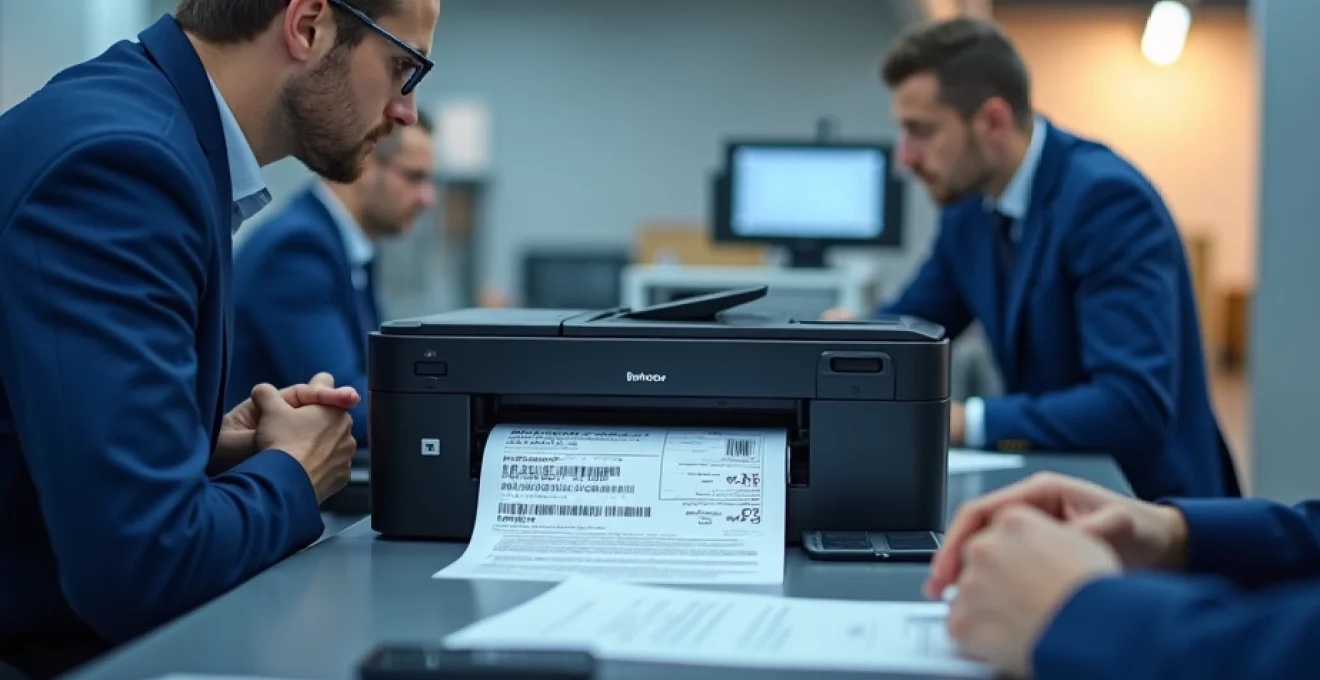
The printing industry has witnessed remarkable technological advancement over the past decade, with thermal printing technology leading the charge in reliability and efficiency improvements. Modern thermal printers have evolved from simple receipt generators to sophisticated devices that significantly reduce operational overhead and maintenance requirements. These improvements stem from innovative engineering approaches that address the most common failure points in traditional printing systems.
Today’s thermal printing solutions incorporate intelligent design principles that minimize downtime while maximizing productivity. The integration of advanced sensors, modular components, and predictive maintenance capabilities has transformed how businesses approach their printing infrastructure. Rather than reactive maintenance schedules that often result in unexpected breakdowns, organizations can now rely on proactive systems that anticipate issues before they become costly problems.
Advanced printing components minimize downtime
The foundation of reliable thermal printing lies in the quality and sophistication of its core components. Modern thermal printer mechanism designs incorporate precision-engineered elements that dramatically extend operational lifespan while reducing the frequency of required interventions. These mechanisms feature enhanced thermal print heads manufactured with superior materials that resist wear and maintain consistent performance over millions of print cycles.
Contemporary thermal print heads utilize advanced ceramic substrates and protective coatings that shield critical components from environmental factors such as dust, moisture, and temperature fluctuations. The integration of micro-fine heating elements ensures uniform heat distribution across the printing surface, eliminating hot spots that traditionally caused premature component failure. This technological refinement translates directly into reduced maintenance frequency, with many modern units operating continuously for thousands of hours before requiring attention.
The mechanical precision of today’s thermal printing systems extends beyond the print head to encompass the entire paper transport mechanism. High-precision stepper motors and improved bearing systems reduce mechanical wear while ensuring accurate paper positioning. These enhancements minimize paper jams, reduce print quality issues, and eliminate the need for frequent mechanical adjustments that plagued earlier generations of thermal printers.
Modern thermal printer mechanisms achieve up to 300% longer operational periods between maintenance cycles compared to traditional models, significantly reducing total cost of ownership for businesses across various industries.
Built-in sensors monitor printer health
The integration of comprehensive sensor networks within modern thermal printers represents a paradigm shift toward predictive maintenance strategies. These sophisticated monitoring systems continuously assess multiple operational parameters, providing real-time insights into printer health and performance metrics. By detecting potential issues before they manifest as operational problems, these sensors enable proactive maintenance approaches that minimize unexpected downtime and extend equipment lifespan.
Temperature sensors detect potential overheating issues
Advanced thermal management systems incorporate multiple temperature sensors strategically positioned throughout the printer mechanism to monitor critical thermal zones. These sensors track print head temperature, motor housing heat levels, and ambient temperature variations that could impact printing performance. When temperature readings approach predefined thresholds, the system automatically adjusts operational parameters or alerts maintenance personnel to potential cooling system issues.
The implementation of intelligent thermal regulation prevents the cascade failures that often result from overheating incidents. Modern systems can automatically reduce printing speed, adjust print density, or initiate cooling cycles to maintain optimal operating temperatures. This proactive approach eliminates the thermal stress that historically caused premature component failure in older thermal printing systems.
Paper jam sensors quickly identify blockages
Sophisticated paper detection systems utilize multiple sensor technologies to monitor paper flow throughout the entire print path. Optical sensors, mechanical switches, and ultrasonic detection systems work in concert to identify potential jam conditions before they result in damaged prints or mechanical stress on the transport mechanism. These systems can differentiate between temporary paper hesitation and actual jam conditions, reducing false alarms while ensuring rapid response to legitimate blockages.
Modern jam detection algorithms analyze paper movement patterns and identify irregular feed behavior that might indicate developing problems with paper guides, rollers, or mechanical alignment. This predictive capability allows maintenance teams to address minor adjustments before they escalate into major mechanical failures requiring extensive repair procedures.
Ink level sensors provide low supply alerts
While thermal printers traditionally operate without ink cartridges, hybrid thermal systems and thermal transfer printers benefit from advanced supply monitoring technologies. Intelligent supply management systems track ribbon usage, adhesive levels, and other consumable materials to provide accurate depletion forecasts. These sensors eliminate the guesswork associated with supply management and prevent operational interruptions due to unexpected material shortages.
The integration of RFID technology in consumable supplies enables automatic identification and tracking of supply levels, usage patterns, and replacement schedules. This technological advancement ensures optimal inventory management while preventing the use of incompatible or expired materials that could compromise print quality or damage printer mechanisms.
Modular designs simplify repair processes
The evolution toward modular printer architecture has revolutionized maintenance procedures by transforming complex repair operations into straightforward component replacement tasks. This design philosophy eliminates the need for specialized technical expertise for routine maintenance while reducing service time and associated labor costs. Modular systems enable field-replaceable units that can be swapped quickly without disturbing other printer components or requiring extensive recalibration procedures.
Easily accessible print heads enable quick replacement
Modern thermal printer designs prioritize print head accessibility, incorporating tool-free removal mechanisms that enable rapid component replacement. Quick-release latches, magnetic retention systems, and precise alignment guides ensure that print head replacement can be completed in minutes rather than hours. This accessibility reduces service costs while minimizing printer downtime during maintenance procedures.
The standardization of print head mounting systems across product lines enables interchangeability between different printer models, reducing inventory requirements for service organizations. Universal mounting interfaces ensure proper alignment and electrical connection while eliminating the possibility of incorrect installation that could damage sensitive components.
Snap-in paper trays allow effortless clearing
Contemporary paper handling systems feature innovative quick-release mechanisms that provide immediate access to the entire paper path for clearing jams or performing routine cleaning procedures. These systems eliminate the need for tools or complex disassembly procedures, enabling operators to address paper-related issues quickly and efficiently. Spring-loaded retention systems and intuitive release mechanisms ensure secure operation while maintaining easy access for maintenance tasks.
The integration of visual alignment guides and color-coded components simplifies reassembly procedures, reducing the possibility of incorrect installation that could impact print quality or cause mechanical problems. These design improvements enable non-technical personnel to perform routine maintenance tasks safely and effectively.
Swappable ink cartridges streamline refill tasks
Advanced cartridge systems incorporate intelligent recognition technology that automatically configures printer settings based on installed consumables. RFID-enabled cartridges communicate supply levels, expiration dates, and compatibility information directly to the printer’s control system, eliminating manual configuration requirements and reducing the possibility of operational errors.
The implementation of zero-waste cartridge designs maximizes material utilization while simplifying replacement procedures. These systems feature automatic purge cycles that prevent air bubbles and ensure consistent print quality immediately after cartridge replacement, eliminating the calibration procedures required by traditional systems.
Intelligent software optimizes printer performance
The integration of sophisticated software platforms has transformed thermal printer operation from reactive troubleshooting to proactive performance optimization. Modern printer firmware incorporates machine learning algorithms that analyze operational patterns, identify potential issues, and automatically adjust system parameters to maintain optimal performance. These intelligent systems continuously monitor print quality metrics, environmental conditions, and usage patterns to predict maintenance requirements and optimize consumable utilization.
Advanced diagnostic capabilities provide detailed insights into printer performance through comprehensive data logging and analysis tools. These systems track key performance indicators such as print speed variations, temperature fluctuations, and mechanical wear patterns to identify trends that might indicate developing problems. By analyzing historical data and comparing performance against established baselines, the software can recommend specific maintenance actions or component replacements before failures occur.
Remote monitoring capabilities enable centralized management of distributed printer networks, allowing IT administrators to monitor multiple devices from a single interface. Cloud-based management platforms provide real-time status updates, automated supply ordering, and scheduled maintenance alerts that streamline operations across large printer deployments. These systems can automatically generate work orders, schedule service visits, and maintain detailed maintenance histories for each device in the network.
Intelligent software systems can reduce unplanned maintenance events by up to 70% through predictive analytics and automated performance optimization, significantly improving operational efficiency for organizations with multiple thermal printing devices.
The implementation of adaptive print algorithms automatically adjusts printing parameters based on environmental conditions, paper types, and print content to ensure consistent quality while minimizing component stress. These systems can detect subtle changes in print head resistance, paper thickness variations, or environmental humidity that might affect print quality and automatically compensate for these variables without operator intervention.
Extended warranty options provide added protection
Comprehensive warranty programs have evolved to address the changing maintenance landscape of modern thermal printing systems. These programs recognize that advanced technology requires specialized support infrastructure and offer tiered protection levels that align with specific operational requirements. Extended warranty options typically include both parts and labor coverage while providing access to certified service technicians trained on the latest thermal printing technologies.
On-site service minimizes disruption from breakdowns
Professional on-site service programs ensure that technical expertise is available when and where it’s needed most. These services typically guarantee response times that minimize operational disruption while providing access to specialized diagnostic equipment and genuine replacement parts. Certified service technicians carry comprehensive parts inventories and advanced diagnostic tools that enable rapid problem resolution without the delays associated with traditional depot repair services.
Many on-site service programs include preventive maintenance visits that address potential issues before they result in operational problems. These scheduled visits typically include comprehensive system inspections, calibration procedures, and component replacements based on usage patterns and environmental conditions. The proactive nature of these services significantly reduces the likelihood of unexpected breakdowns while extending overall system lifespan.
Priority phone support offers expert troubleshooting assistance
Advanced technical support systems provide immediate access to experienced technicians who can diagnose problems remotely and guide operators through resolution procedures. These support systems often include remote diagnostic capabilities that enable technicians to access printer systems directly and perform detailed analysis of operational parameters and error logs. Priority support tiers ensure that critical applications receive immediate attention while providing extended support hours for time-sensitive operations.
The integration of video support technologies enables visual troubleshooting assistance that can guide operators through complex procedures or component replacements. These systems reduce the need for on-site visits while ensuring that repairs are completed correctly the first time, minimizing repeated service calls and associated costs.
Preventive maintenance visits help avoid major issues
Scheduled preventive maintenance programs focus on identifying and addressing potential issues before they impact operational performance. These programs typically include comprehensive system inspections, component lubrication, calibration procedures, and replacement of wear items based on predetermined schedules. Preventive maintenance protocols are customized based on usage patterns, environmental conditions, and specific application requirements to ensure optimal protection for each installation.
Data-driven maintenance scheduling utilizes operational analytics to determine optimal service intervals based on actual usage patterns rather than arbitrary time schedules. This approach ensures that maintenance resources are utilized efficiently while providing maximum protection against unexpected failures. The integration of predictive analytics enables service teams to anticipate component replacement requirements and ensure that necessary parts are available during scheduled maintenance visits.